
What an accident repair involves
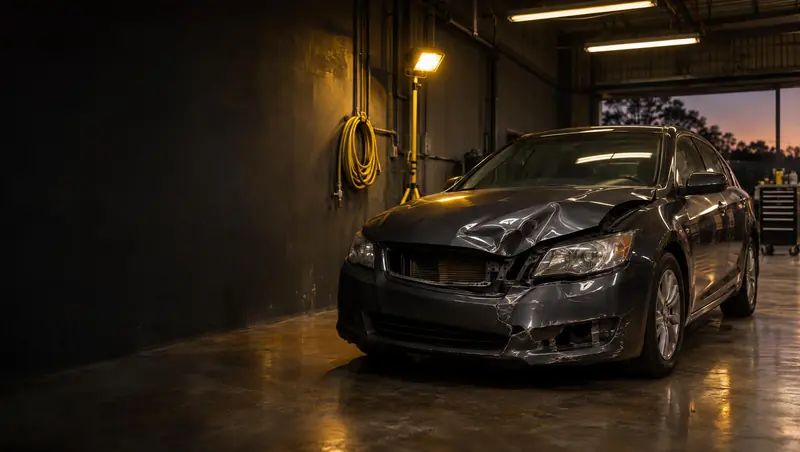
Two cars with similar-looking damage can need very different repairs. The work can include removing and refitting bumpers and panels, repairing or replacing what was damaged, checking the parts behind them, preparing the surface and painting the repaired area so it sits with the rest of the car.
It is worth having the car looked at if panel gaps have changed, a bumper sits out of line, lights no longer line up, a door or the boot closes differently, or there is cracked plastic under the bumper.
Body repairs that didn't come from a crash
Not every body repair starts with an accident. Scrapes from a driveway or a bollard, a dented guard, a bumper pushed out of its clips and older damage you have been living with are all body repairs the workshop takes on. Tell us what you can see and how it happened, if you know.
Insurance or private
You can enquire whether the repair is going through insurance or you are paying for it yourself. If it is an insurance repair, say so in the form and add your insurer and claim number if you have them. Your insurer decides how your claim is assessed and what it covers.
Not sure yet which way to go? Choose Unsure. The team can talk through what the repair involves, and you can decide from there.
Before you send your enquiry
- Only take photos where it is safe, away from traffic.
- Take one photo of the whole vehicle and clear views of the damaged area.
- Note anything you noticed after the impact, such as warning lights, new noises or the car pulling to one side.
Photos help with an initial assessment, but they don't show everything. Damage behind a bumper or panel often only shows once the car is in the workshop, so a final quote may need an inspection.